

The Hidden Cost of Getting Around: How Americans Spend More on Transportation Than Food
In the modern American household, transportation has quietly edged ahead of food as one of the primary expenses. The rising costs associated with vehicle ownership and public transportation play a significant role in the financial landscape of many families. For those looking to offset expenses, options like cash for car services can provide immediate relief. While once food was considered the most significant household expense, transportation now demands a considerable portion of the family budget. This shift is more than just a number on a balance sheet; it presents profound implications for the average American family and society at large. By exploring the factors contributing to this increase and examining potential solutions, we can navigate these challenges effectively.
The Rising Cost of Vehicle Ownership
Initial Purchase Costs
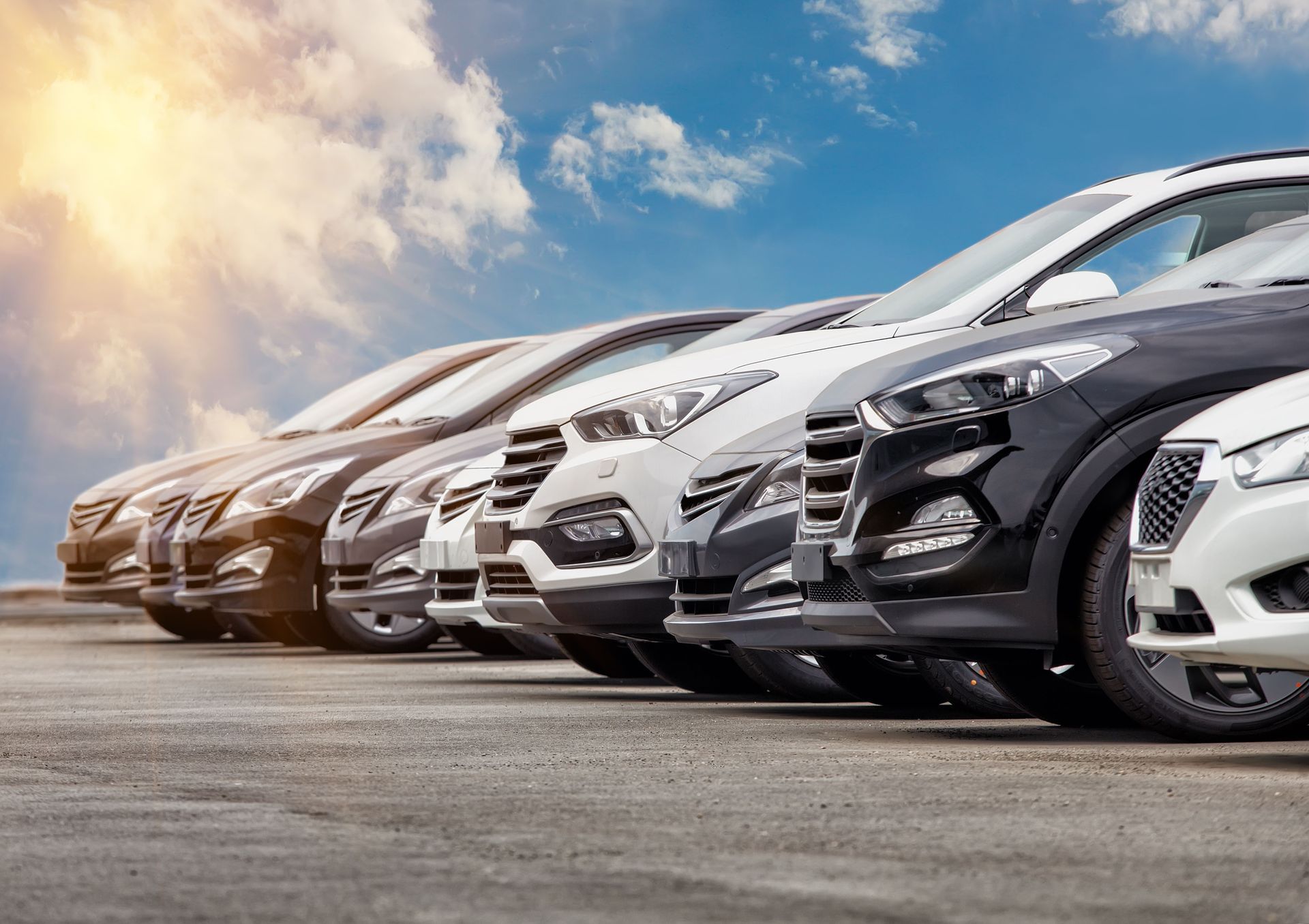
The initial purchase costs of vehicles have been on a steady rise over the past few decades. With new technologies and features continuously being added to cars, their prices have escalated significantly. Consumers seeking to own a vehicle must often resort to loans or leasing options to manage these high upfront costs. Purchasing a car is no longer just about the sticker price but also about various associated fees and interests that accumulate over time. Selling an old vehicle through a cash for car program can help families manage these upfront costs more effectively. As a result, these initial purchase costs contribute substantially to Americans' overall transportation expenditures.
Insurance Premiums
Insurance premiums are another significant aspect of vehicle ownership costs. With variables such as age, location, and driving history influencing rates, car insurance can be a notable financial burden. Additionally, as vehicles become more technologically advanced, repair and replacement parts become more expensive, further driving up premiums. For many families, car insurance is a non-negotiable necessity, adding another layer to their transportation expenses. Some consumers choose to use proceeds from a cash for car sale to cover insurance or repair expenses. The cumulative effect of high insurance premiums on household budgets cannot be underestimated.
Maintenance and Repairs
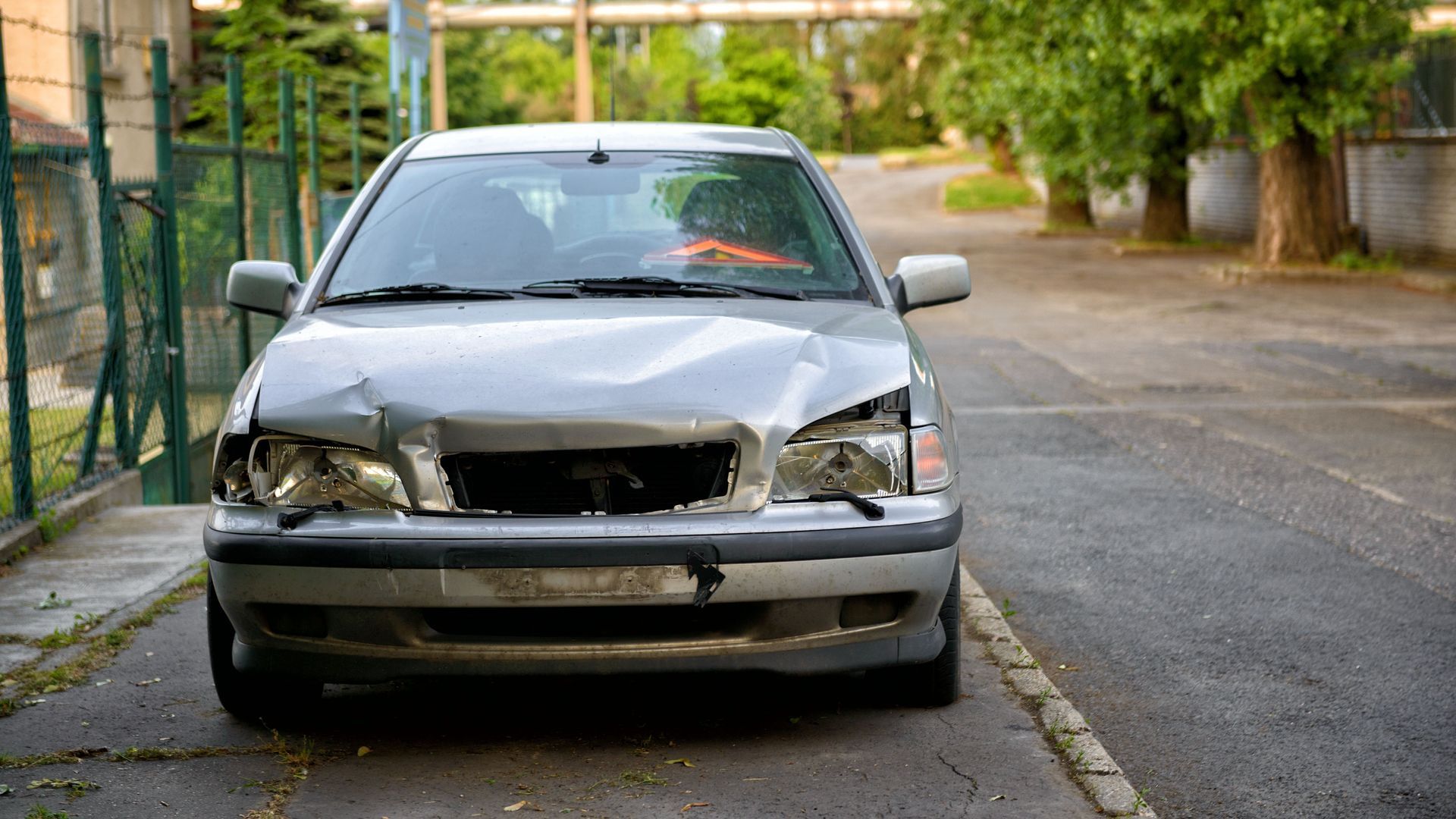
Maintenance and repair costs are inevitable aspects of vehicle ownership. Even with regular upkeep, unexpected repairs can arise, posing a financial challenge. The costs associated with maintaining newer vehicle technologies tend to be higher, with specialized parts and services required. Over a vehicle's lifespan, these costs can significantly add up. Leveraging a cash for car option when upgrading to a more reliable vehicle can ease the financial burden of unexpected repairs. As a result, budgeting for maintenance and repairs becomes an essential aspect of managing transportation costs.
The Impact of Urbanization on Transportation Budgets
Commute Times and Costs
Urbanization has led to increased commute times and costs for many individuals. As cities expand, people often find themselves traveling longer distances to reach their workplaces. Longer commutes result not only in higher fuel expenses but also in more wear and tear on vehicles. Investing in public transportation infrastructure can alleviate some of these challenges, but not all urban areas have extensive options available. Consequently, urbanization continues to impact transportation budgets significantly.
Public Transit Availability
The availability of public transit varies greatly across different regions in the United States. In some urban areas, efficient and affordable public transportation provides a viable alternative to car ownership. However, in other regions, limited or unreliable public transit options force individuals to rely on personal vehicles. For those without access to quality public transportation, the costs associated with car ownership are unavoidable. Many suburban residents turn to cash for car services as a practical way to liquidate older vehicles and reinvest in transportation alternatives. Expanding public transit networks could play a key role in reducing individual transportation expenditures.
Suburban vs. Urban Expenses
Transportation expenses can differ significantly between suburban and urban settings. Suburban residents often face higher costs due to longer commutes and limited public transit options. Conversely, urban dwellers may benefit from more extensive public transportation networks, though they may encounter other costs such as higher parking fees. The lifestyle and commuting requirements of suburban and urban residents greatly influence their transportation budgets. Understanding these differences is crucial for assessing transportation costs accurately.
Environmental and Social Considerations
Emissions and Ecological Impact
Transportation remains a significant source of emissions, contributing to environmental challenges. The use of fossil-fueled vehicles contributes to air pollution and climate change. Consumers are becoming increasingly aware of their ecological impact and seeking alternative transportation methods. The adoption of electric vehicles and other low-emission options is on the rise as individuals aim to reduce their carbon footprint. These environmental considerations are crucial in shaping future transportation trends and costs.
Social Equity and Access
Access to affordable and reliable transportation is essential for social equity. Transportation costs can disproportionately affect low-income individuals and families, limiting access to employment and essential services. Equitable access to transportation ensures that all individuals have the opportunity to participate in economic and social activities. Policymakers play a critical role in addressing these disparities through targeted investments and subsidies. Ensuring transportation equity is an important consideration in balancing societal priorities.
Government Policy and Subsidies
Government policies and subsidies can significantly influence transportation costs and access. Initiatives to promote public transit and sustainable transportation methods can offset some of the financial burdens faced by consumers. Subsidies for electric vehicles and infrastructure development are examples of policies that can encourage more sustainable transportation practices. However, such policies must be carefully designed to ensure they reach the intended beneficiaries. The role of government in shaping transportation systems is crucial for both economic and environmental outcomes.
Comparing Transportation and Food Expenditures
Statistical Analysis of Household Budgets
According to the US Department of Transportation, transportation remained one of the highest annual consumer expenditures, totaling $12,295 annually as of 2023. This figure stands in contrast to food expenditures, which have historically been viewed as a primary household expense. Analyzing household budgets reveals insights into how transportation has come to surpass food in financial priority. This shift reflects broader trends in consumer behavior and economic conditions. Statistical analysis is essential for understanding the dynamics of household spending and its implications.
Historical Trends
Historical trends reveal the changing landscape of household spending priorities. Throughout the 20th century, food expenditures consistently represented a significant portion of household budgets. However, the advent of technology and the associated costs of maintaining modern lifestyles have shifted this balance. The increasing costs of transportation have overtaken food as a primary expense, reflecting evolving consumer priorities. Programs offering cash for car have become a valuable tool for families adapting to these rising costs. Understanding these historical trends is essential for anticipating future changes in household financial behaviors.
Regional Variations Across the U.S.
Transportation and food expenditures can vary significantly across different regions in the United States. Factors such as urbanization, infrastructure, and access to resources influence the cost dynamics in different areas. For example, in rural areas with limited public transportation and long commuting distances, transportation costs tend to be higher. Conversely, urban areas might see higher costs associated with food due to dining and lifestyle choices. Regional variations highlight the necessity of tailored solutions to address diverse consumer needs and priorities.
Understanding the complex dynamics behind transportation costs is crucial for better budget management and advocating for systemic changes. As American families adjust to these expenses, it's imperative to explore both individual and collective strategies for more sustainable transportation solutions. By implementing targeted policies, embracing technological innovations, and fostering community engagement, significant progress can be made towards alleviating transportation financial burdens. Addressing transportation costs is a multifaceted challenge that requires collaboration from all stakeholders. Moving forward, prioritizing sustainable and equitable transportation systems will yield benefits for both individuals and society as a whole. Solutions like cash for car can provide quick financial relief, helping families manage expenses while planning for sustainable transportation choices. Turn your old car into instant cash today with Big Boy Cash For Junk Cars. Fast, easy, and hassle-free.




Share On: