

How Selling Your Car for Cash Supports a Circular Auto Economy
Cars are built to last, but eventually every vehicle reaches a point where repairs become constant, performance declines, or keeping it running simply doesn’t make sense anymore. When that moment arrives, many people wonder what to do next. Letting the car sit in the driveway or leaving it unused might seem harmless, but idle vehicles still take up space and contain materials that could serve another purpose.
That’s where the idea of a circular auto economy comes in. Instead of vehicles being used and then discarded, their materials, components, and resources continue moving through the automotive ecosystem. Parts are reused, metals are recycled, and useful materials are recovered so they can contribute to future vehicles and other products.
Selling a vehicle through a
cash for car service plays an important role in that process. It helps redirect vehicles into recycling and reuse channels where their materials can keep working instead of sitting unused or ending up in landfills.
If you’ve ever wondered how letting go of an old vehicle can support a larger environmental and economic cycle, the answer lies in what happens after the vehicle leaves your driveway.
Extending the Life Cycle of Automotive Materials
Vehicles are made from a wide range of materials, including metals, plastics, rubber, glass, and electronic components. Even when a car can no longer operate, many of those materials still have value.
Instead of being discarded, these materials can be reclaimed and reintroduced into manufacturing systems. Steel and aluminum, for example, are commonly recycled and used again in new products or vehicle components.
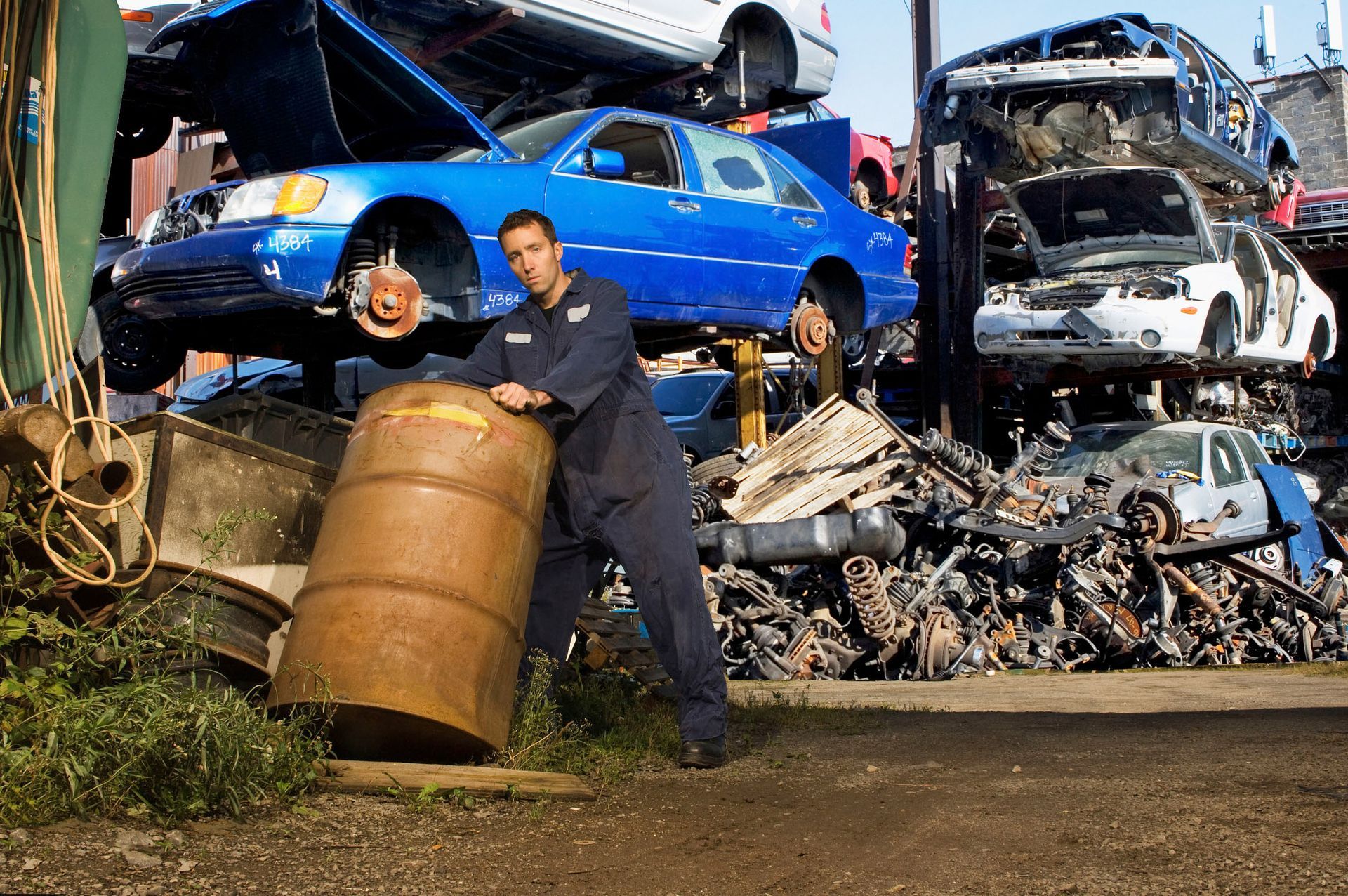
When someone chooses a cash for car option, the vehicle usually enters a recycling process designed to recover these resources. Recyclers dismantle the vehicle, separate reusable components, and process materials so they can return to industrial supply chains.
According to The Zebra, nearly 25% of the materials in new cars come from recycled vehicles. That connection highlights how closely vehicle recycling supports the production of future automobiles.
By selling an old vehicle rather than leaving it unused, car owners contribute to a system that keeps valuable materials moving forward.
Reducing Landfill Waste From Retired Vehicles
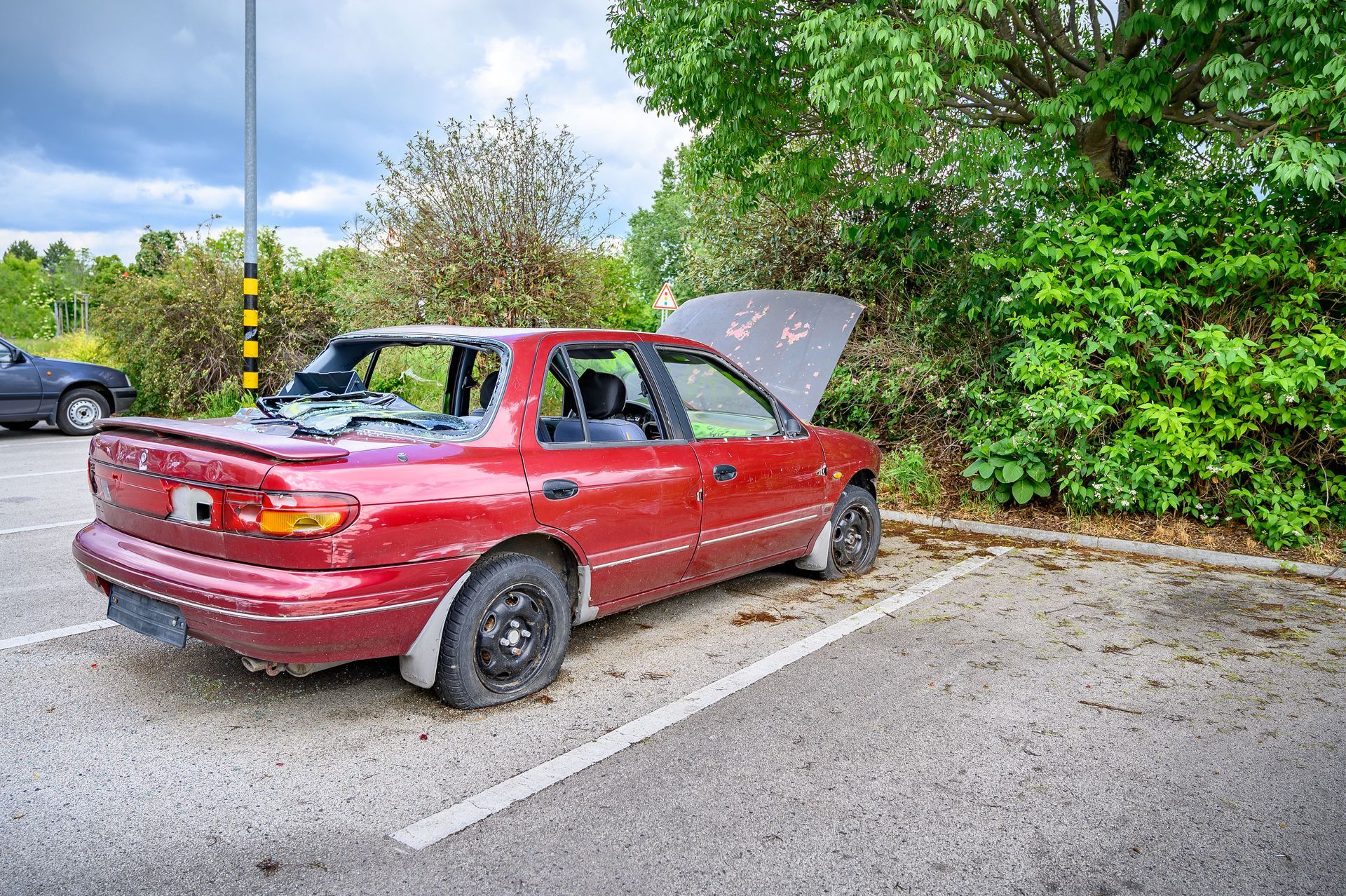
Vehicles are large machines made of many durable materials. When they are abandoned or improperly discarded, they can take up significant landfill space and introduce materials that take a long time to break down.
Automotive recycling systems help prevent that outcome. When vehicles enter dismantling facilities, reusable parts are removed, and recyclable materials are separated before the remaining materials are processed.
Fluids are handled responsibly, metal components are prepared for recycling, and usable parts are sorted for resale. This process significantly reduces the amount of waste that would otherwise end up in landfills. It also allows valuable materials to reenter manufacturing systems where they can continue serving a useful purpose.
Selling through a cash for car program helps ensure a vehicle enters this structured recycling process rather than sitting unused or deteriorating outdoors.
For communities, this approach supports cleaner environments while reducing unnecessary waste and helping maintain safer, more organized neighborhoods.
Supplying Parts That Keep Other Cars on the Road
A vehicle may stop running, but many of its components can still function well. Parts such as mirrors, interior pieces, mechanical systems, and electronics may continue to work even when the car itself is no longer practical to repair.
Salvage operations carefully remove these components so they can be inspected and redistributed. This creates a supply of replacement parts for drivers and repair facilities.
Selling a vehicle through a cash for car service often starts this process. Once the car reaches a dismantling facility, technicians identify which components can continue serving other vehicles.
For drivers, reused parts can help keep cars on the road longer. For the automotive industry, it means fewer materials are wasted, and more value is recovered from each vehicle.
One car reaching the end of its life can help several others continue driving.
Supporting Recycling Systems Within the Auto Industry
The automotive industry relies on large recycling networks that handle retired vehicles. These systems include dismantlers, metal processors, parts distributors, and recycling facilities working together.
When car owners sell vehicles through cash for car services, they help maintain the steady flow of materials needed for these systems to operate effectively.
Vehicles entering recycling channels provide metals and components that manufacturers can reuse. This reduces the demand for newly extracted raw materials while helping stabilize material supply chains.
The recycling process also supports businesses involved in dismantling vehicles and processing recovered materials. These operations rely on a consistent supply of vehicles to continue recovering usable components and recyclable metals.
By choosing to sell an unused vehicle instead of leaving it idle, individuals become part of a broader network that connects drivers, recyclers, and manufacturers. Over time, this ongoing cycle helps keep valuable automotive materials circulating throughout the industry.
Lowering Environmental Impact Across Vehicle Production
Producing vehicles requires many natural resources. Raw materials must be extracted, processed, and transported before they become part of a finished car.
Recycling automotive materials helps reduce the environmental impact. Metals recovered from retired vehicles can often be processed using less energy than producing them from newly mined resources.
A cash for car transaction may seem simple, but it can begin a chain of recycling that reduces the demand for fresh raw materials.
Once the vehicle enters recycling channels, its materials contribute to future manufacturing cycles rather than requiring entirely new resources.
Over time, this practice helps create a more sustainable relationship between vehicle production and resource use.
Creating Value From Vehicles That No Longer Run
Many people assume that a vehicle without reliable performance has little value. In reality, even cars that no longer run still contain materials and components that can be recovered, repurposed, or refurbished for future use.
Metals can be recycled, electronics can be processed, and mechanical parts may still function in other vehicles. These resources give retired vehicles economic value beyond their driving life and contribute to a more sustainable automotive system.
That’s why cash for car services exist. They provide a way for vehicle owners to receive payment while ensuring the vehicle enters a responsible recycling pathway.
Instead of allowing the car to deteriorate in a driveway or yard, selling it allows the materials and components to be used again.
It’s a practical reminder that value often remains long after a vehicle stops running, and even retired cars can continue to make a positive impact.
Encouraging Responsible Vehicle Turnover in Communities
Communities benefit when vehicles are retired responsibly. Abandoned or deteriorating cars can create visual clutter and environmental concerns in neighborhoods.
Programs centered around cash for car services provide a straightforward way for owners to move aging vehicles into recycling channels.
When retired vehicles are collected and processed properly, communities remain cleaner and more organized. Driveways and parking spaces can be used more effectively instead of storing cars that no longer serve a purpose.
Responsible turnover also supports the ongoing flow of recyclable materials into the automotive supply chain.
Selling an old vehicle may feel like a small decision, but it helps keep valuable materials circulating and reduces waste. If you’re ready to clear space while contributing to a more responsible automotive cycle, consider reaching out to Big Boy Cash For Junk Cars today.







Share On: