
What to Expect From a Cash for Junk Cars Company
The evolution of the automotive industry has created a significant need for efficient vehicle disposal methods. As cars reach the end of their functional lives, owners are often left wondering how to manage a piece of machinery that no longer serves a purpose. This is where the specialized sector of the secondary auto market becomes invaluable. These businesses offer a streamlined pathway for individuals to liquidate assets that would otherwise take up space and depreciate further.
The shift toward professional liquidation services has replaced the old-fashioned, often stressful method of finding private buyers for non-running vehicles. Modern companies prioritize speed and efficiency, creating a marketplace where value is extracted from even the most damaged or aged cars. This article serves as a comprehensive guide to navigating this landscape, detailing everything from the initial valuation to the final payment that goes into getting cash for junk cars.
Valuing Your Vehicle Fairly
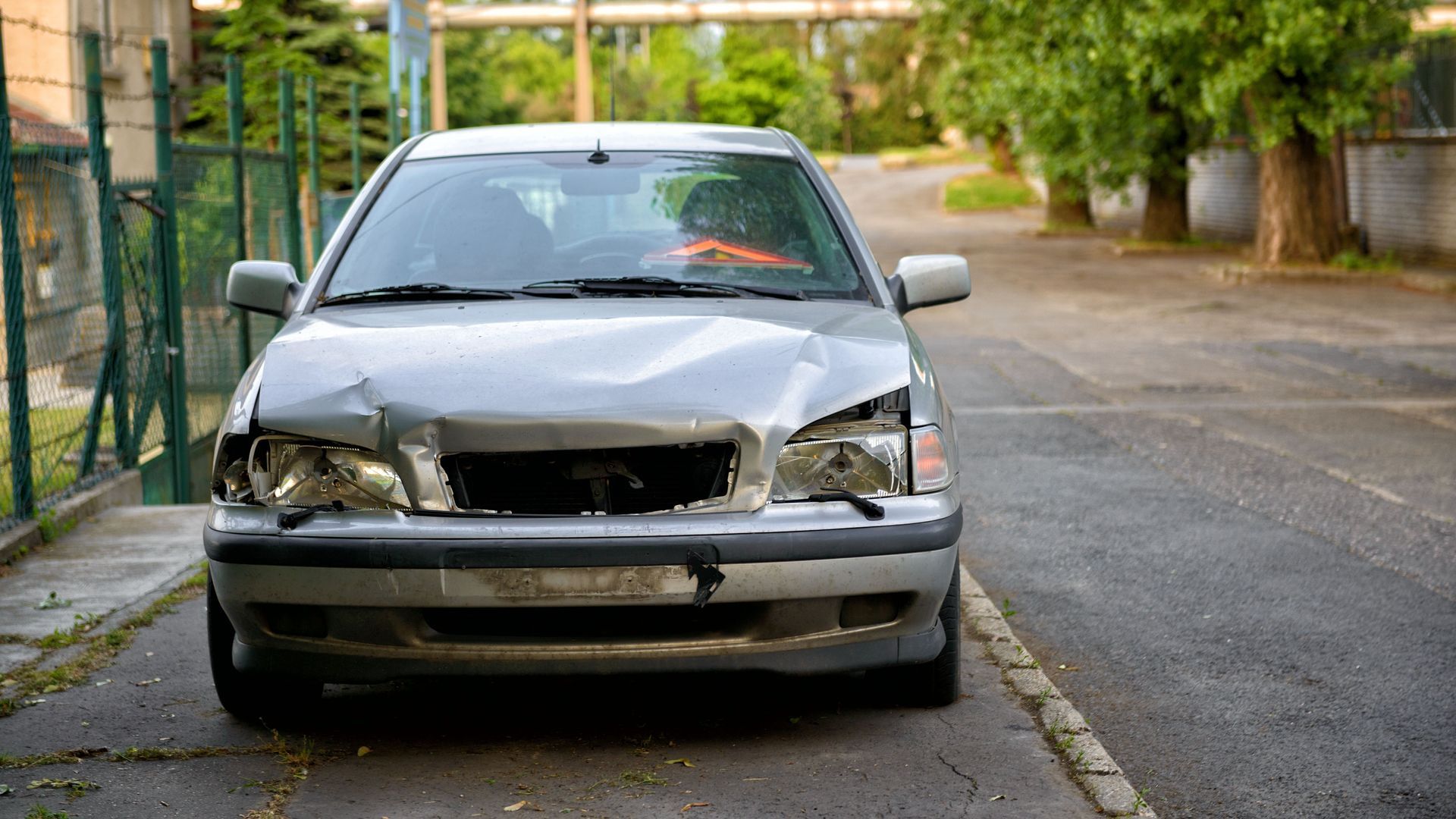
When you begin the journey of selling an older car, the first step involves a deep dive into how price points are established. Companies do not simply pull numbers from thin air; they utilize sophisticated market data to determine what a vehicle is worth in its current state. The primary factors include the year, make, model, and current mileage. However, the internal components often carry more weight than the exterior aesthetics.
Beyond the physical state of the car, external economic factors play a massive role. The global price of steel and aluminum fluctuates daily, directly impacting the base scrap value. If you are looking for cash for junk cars, it is wise to keep an eye on these commodities. Furthermore, regional demand influences the offer. A certain model might be extremely popular in one state for its interchangeable parts, leading to a higher offer from a local facility compared to a national chain.
Streamlining The Pickup Logistics
Once a price is agreed upon, the logistical phase begins. This is often where the best companies distinguish themselves from mediocre ones. You should expect a service that values your time and offers a flexible schedule for vehicle removal. In most professional scenarios, the company will dispatch a tow truck to your location at no additional cost to you. This is a critical point of clarity when it comes to getting cash for junk cars, and you want to make sure that the towing fee is not being deducted from your final payout.
Efficiency in logistics also means having the right paperwork ready at the time of arrival. The driver should be prepared to verify your identification and the vehicle title. This stage of the transaction is designed to be as hands-off as possible for the seller. You should not have to worry about how the car gets to the facility or the costs associated with its transport.
Navigating Legal And Paperwork Requirements
The legalities of selling a vehicle are just as important as the physical exchange. Transferring ownership correctly is the only way to protect yourself from future liabilities, such as parking tickets or legal issues involving the vehicle after it leaves your property. A reputable buyer will guide you through the specific requirements of your state, which typically involves signing over the title in a very specific manner. If the title is missing, some companies can still facilitate the sale with alternative documentation, provided you can prove ownership through registration and a valid ID.
Following the sale, you should receive a receipt or a bill of sale that clearly states the transaction details. In many cases, especially if the vehicle is being scrapped, you may eventually receive a certificate of destruction. This document is the final word in the car's history, proving it has been recycled and removed from the road permanently.
Protecting The Local Ecosystem
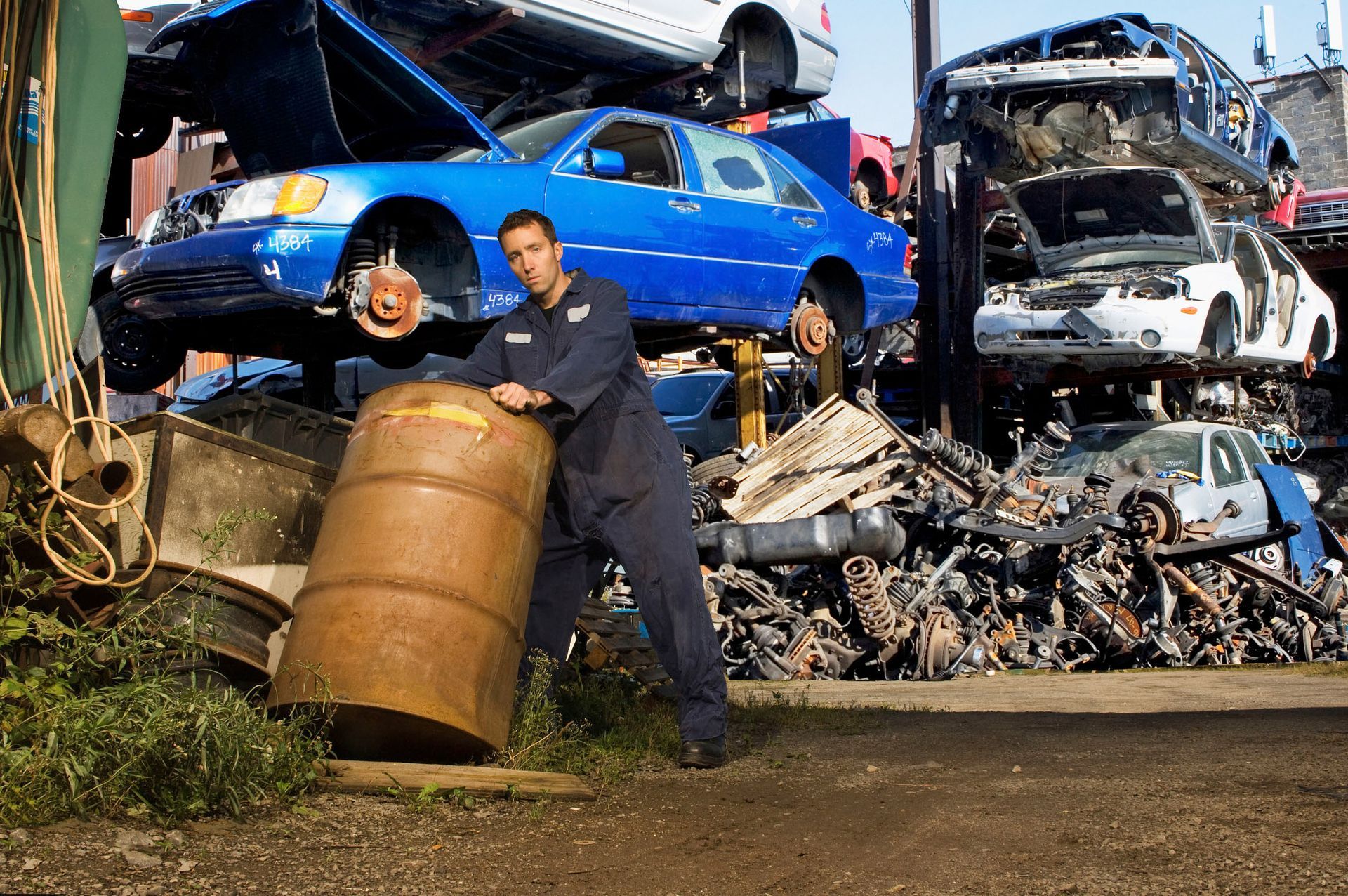
Environmental responsibility is increasingly becoming a focal point for junk car companies. With approximately 12 to 15 million vehicles scrapped annually in the United States, according to Clunkr, proper car recycling is essential to minimize environmental impact. When a vehicle reaches a recycling facility, it contains various hazardous materials that must be managed with extreme care. These include lead-acid batteries, mercury switches, and gallons of fluids such as engine oil, coolant, and brake fluid.
A professional organization follows strict federal and state guidelines to depollute the vehicle before it is crushed or dismantled. This involves draining all fluids into specialized containers for proper disposal or recycling. Moreover, many parts of the car, such as the tires and glass, are diverted from landfills to be repurposed into new products. By selling your vehicle to a company that prioritizes these green initiatives, you are participating in a circular economy. You are not just getting cash for junk cars; you are ensuring that the raw materials from your old vehicle are salvaged to reduce the need for mining and manufacturing new steel and plastic, which significantly lowers the overall carbon footprint of the automotive industry.
Maximizing Your Financial Return
To get the most out of the experience, it is essential to compare the market. Do not feel obligated to accept the very first offer you receive. By reaching out to multiple vendors, you can establish a baseline for what your vehicle is worth. Some companies might offer a higher price but charge for towing, while others might have a slightly lower offer but include comprehensive paperwork assistance and free removal. Evaluating the total value of the package is the smartest way to proceed.
Transparency is the hallmark of a high-quality service provider. If a company is unwilling to explain how they reached a certain valuation or if they have hidden fees that only appear during the pickup, it is a sign to look elsewhere. A great provider will be upfront about every aspect of the deal. They will honor their quote as long as the vehicle's condition matches the description provided. This level of honesty builds a professional relationship and ensures that you feel confident in the transaction.
Finalizing The Transaction
The final moments of the sale involve the physical exchange of the vehicle for the agreed-upon funds. Before the tow truck arrives, remove all personal belongings from the interior and trunk. It is easy to forget a pair of sunglasses or an old insurance card in the glove box. Once the car is loaded and the paperwork is signed, the responsibility for the vehicle shifts entirely to the buyer. You should immediately notify your insurance company to cancel the policy on that vehicle and, in some states, return the license plates to the local DMV to complete your obligations.
Navigating this process does not have to be a chore. When you work with a company that understands the nuances of the industry, you can expect a seamless transition from start to finish. These businesses are designed to solve a specific problem for car owners, providing a service that is as much about convenience as it is about the money. By following the steps outlined in this guide, you can move forward with the peace of mind that you are making an informed, responsible, and profitable choice.
When you are ready to move forward and clear that old vehicle out of your life, reaching out to a professional service is the best next step. You can secure a competitive quote and schedule a pickup that fits your life perfectly. For a reliable and professional experience, consider getting
cash for junk cars from Big Boy Cash For Junk Cars. Our team is dedicated to providing straightforward valuations and rapid removal services that respect both your time and the environment. Contact us today to see how easy it is to turn your unwanted vehicle into immediate funds.





Share On: